
Automated CRM for Real Estate Brokers in Quebec: What Changes After Implementation
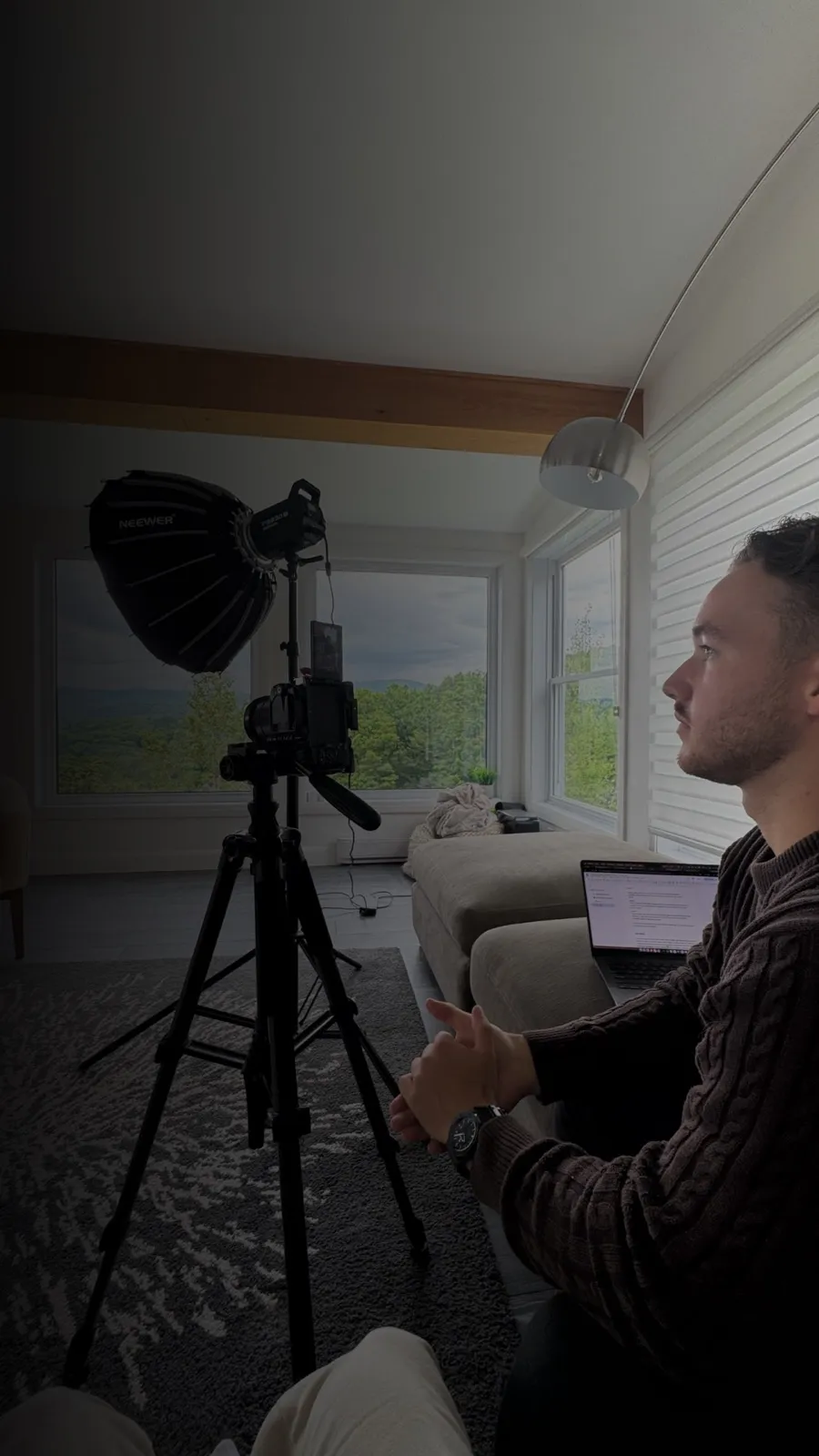
An automated CRM for real estate brokers in Quebec changes one thing above all: leads no longer sit waiting in an inbox or a notepad. After implementation, incoming contacts are sorted, followed up on, and tracked according to a fixed sequence. The broker keeps control of the decisions, not the repetitive mechanics.
What changes in the first 30 days
The first few weeks are mostly about watching the system in action rather than building it. Here's concretely what gets set up:
- Leads generated by ad campaigns arrive directly in the CRM, with no manual transfer.
- Every new contact triggers a follow-up sequence (message, reminder, task) based on rules set in advance.
- The broker sees a simple dashboard: who's been contacted, who hasn't yet, who's ready to be called.
This isn't software you need to spend months learning to tame. The idea is that the system works in the background while the broker does what they do best: talk to people and close deals.
How the CRM connects to short-form video production
At Nadeauprod, the CRM never works alone. It's plugged into the whole system: filming and editing short-form video content for real estate brokers, managing Meta campaigns, and automating the back end. Short-form video production feeds the campaigns, the campaigns generate the leads, and the CRM takes over the moment a lead enters the system.
This link between content and follow-up is what sets an automated CRM apart from a simple contact management tool. Without content that grabs attention upstream, a CRM stays empty. Without automation downstream, content generates leads that nobody calls back in time.
Tasks that move from manual to automatic
Here's what concretely shifts after implementation, in a real estate brokerage in Quebec:
- The first response to a lead: instead of waiting for the broker to have five free minutes, an automatic message confirms receipt and proposes a time to talk.
- Follow-ups: leads who don't respond right away receive scheduled follow-ups at set intervals, with no manual intervention.
- Basic qualification: certain simple questions (budget, area, timeline) get asked automatically before the first human call ever happens.
- Prioritization: the most engaged leads move to the top of the list, so no time gets wasted on cold contacts.
What doesn't change: the sales conversation itself. The CRM sets the stage, but the broker is still the one closing.
What the broker keeps under their control
The model is designed so the client keeps about 5 hours a month of direct involvement. That time goes toward validating hot leads, making final qualification calls, and making strategic decisions about campaigns. Everything else (filming, editing, ad management, automated follow-ups) is handled by the team.
In practical terms, this means a broker established for more than two years, who still relies on word of mouth, doesn't need to become a software or advertising expert to benefit from the system. They stay in their role: selling properties.
The limits of an automated CRM
It's worth being honest about what an automated CRM doesn't fix:
- It doesn't replace the human conversation at the moment of closing a sale.
- It doesn't guarantee that a lead becomes a client, only that it's properly followed up on.
- It depends on the quality of incoming leads, which comes down to the content and campaigns generating them upstream.
- It requires a serious initial setup: connecting forms, defining sequences, adjusting based on the local market.
A poorly configured system gives a false impression of automation, while leads still fall through the cracks. That's why implementation matters just as much as the tool itself.
How to tell if the system is working
After implementation, a few concrete signs show that the CRM is doing its job:
- The delay between a lead coming in and the first contact drops noticeably.
- The broker no longer needs to manually remember who to call back and when.
- Leads who aren't ready right away don't disappear into the void, they stay in a long-term follow-up sequence.
For a broker who wants to understand how this kind of system fits together with content production and campaigns, a quote request offers a concrete look at what applies to their practice. Other angles on client acquisition in real estate are also available on the blog.
FAQ
Related reading:
Questions we get asked
What is an automated CRM for real estate brokers in Quebec?
An automated CRM is a system that receives leads generated by ad campaigns and follows up on them automatically (messages, reminders, tasks) without the broker having to manage everything by hand. It centralizes contacts and prioritizes them based on their level of engagement. Nadeauprod offers back-end and CRM automation.
Does the CRM replace the broker's work?
No. The automated CRM handles repetitive follow-up and the first outreach, but the sales conversation and closing remain entirely in the broker's hands. It's a support tool, not a replacement.
How much time does a broker need to invest in the system each month?
In Nadeauprod's model, the client keeps about 5 hours a month to validate hot leads and make qualification calls. Everything else (filming, editing, campaigns, follow-ups) is handled by the team.
How does short-form video content production fit with the CRM?
Short-form video content production for real estate brokers feeds ad campaigns, which generate the leads that flow directly into the automated CRM. Without this upstream content, the CRM has nothing to work with.
What are the limits of an automated CRM in real estate?
An automated CRM doesn't guarantee a lead becomes a client, it only ensures structured, fast follow-up. Its performance also depends on the quality of the initial setup and the leads generated upstream by campaigns. Nadeauprod also manages Meta ad campaigns.